


CCTV drainage surveysCall 0333 533 0162
Drain CCTV
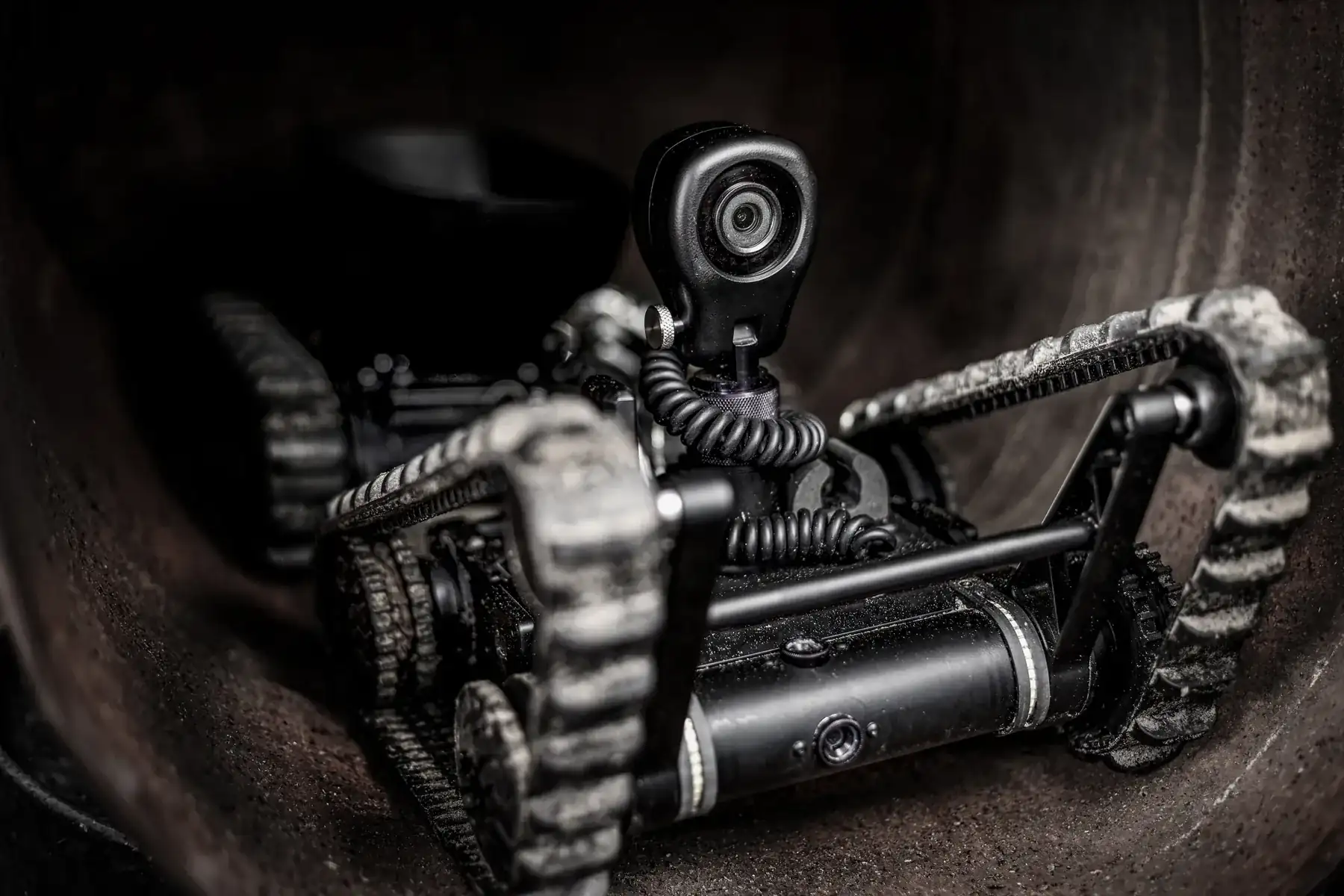
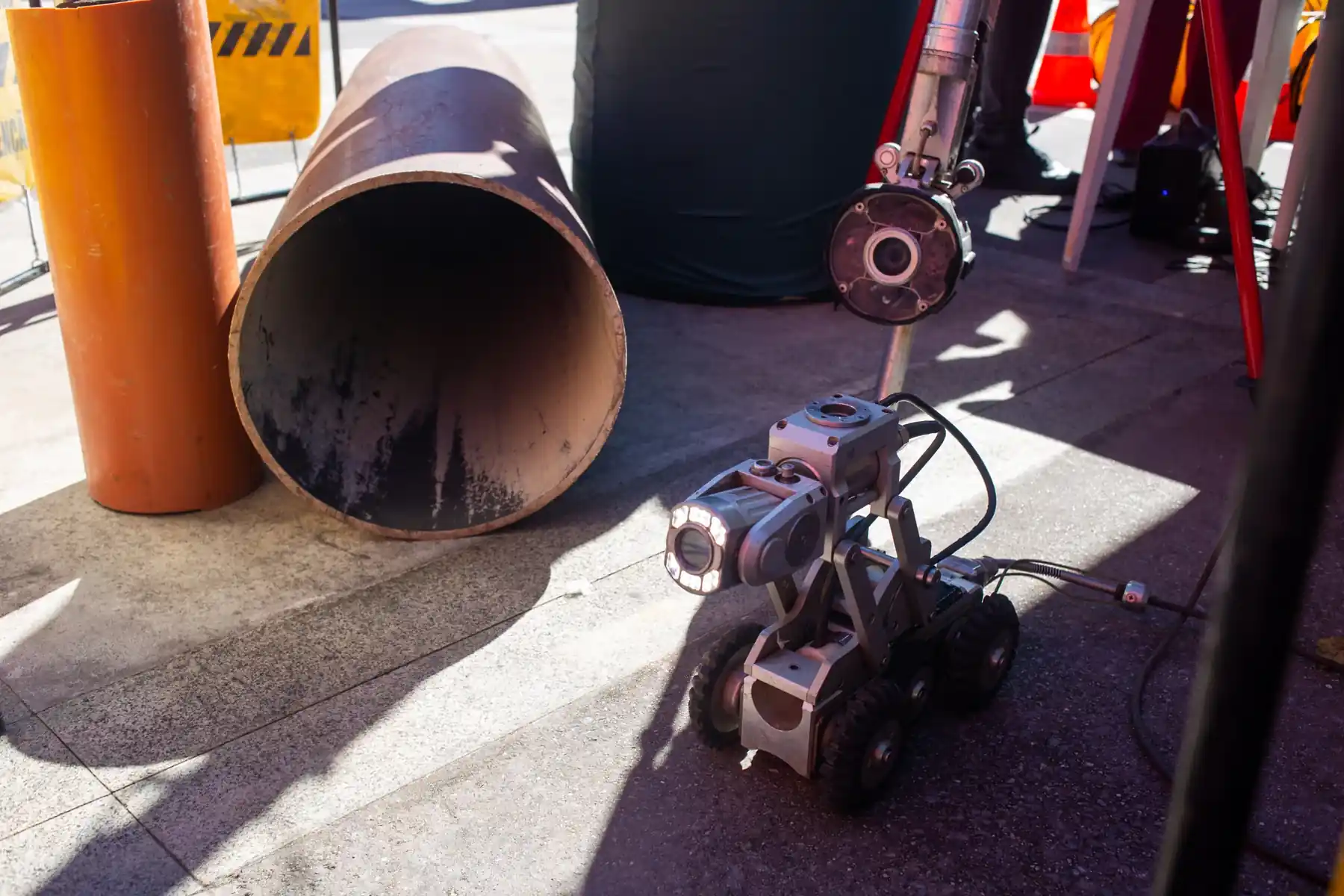
A wheeled inspection camera inside a large drainage pipe.

CCTV drainage surveys

CCTV Drain Surveys

CCTV drain surveys examine accessible drainage pipework for property purchases, building work and investigations into drainage problems. A camera inspection records the visible internal condition of accessible pipework. The useful starting point is the decision the survey needs to support, because a homebuyer enquiry, a recurring blockage and a development requirement can need different coverage and reporting.

Request a quote

Complete the form and we will get back to you.

Our services

CCTV drain survey services

All services

Choose the survey purpose before defining the scope

For a property purchase, the question may concern the accessible drainage serving the property and any findings requiring further investigation. For a recurring problem, the priority may be the route affected by the symptoms. Building work can require information about the location, condition or connections of drainage near the proposal.

Identify who will use the report and whether a particular specification applies. An application-related survey should address the requirements of the relevant organisation. A camera recording by itself does not establish that every required run, measurement or reporting element has been included.

Wheeled CCTV drain-inspection robot beside an open manhole.

Understand what the camera can record

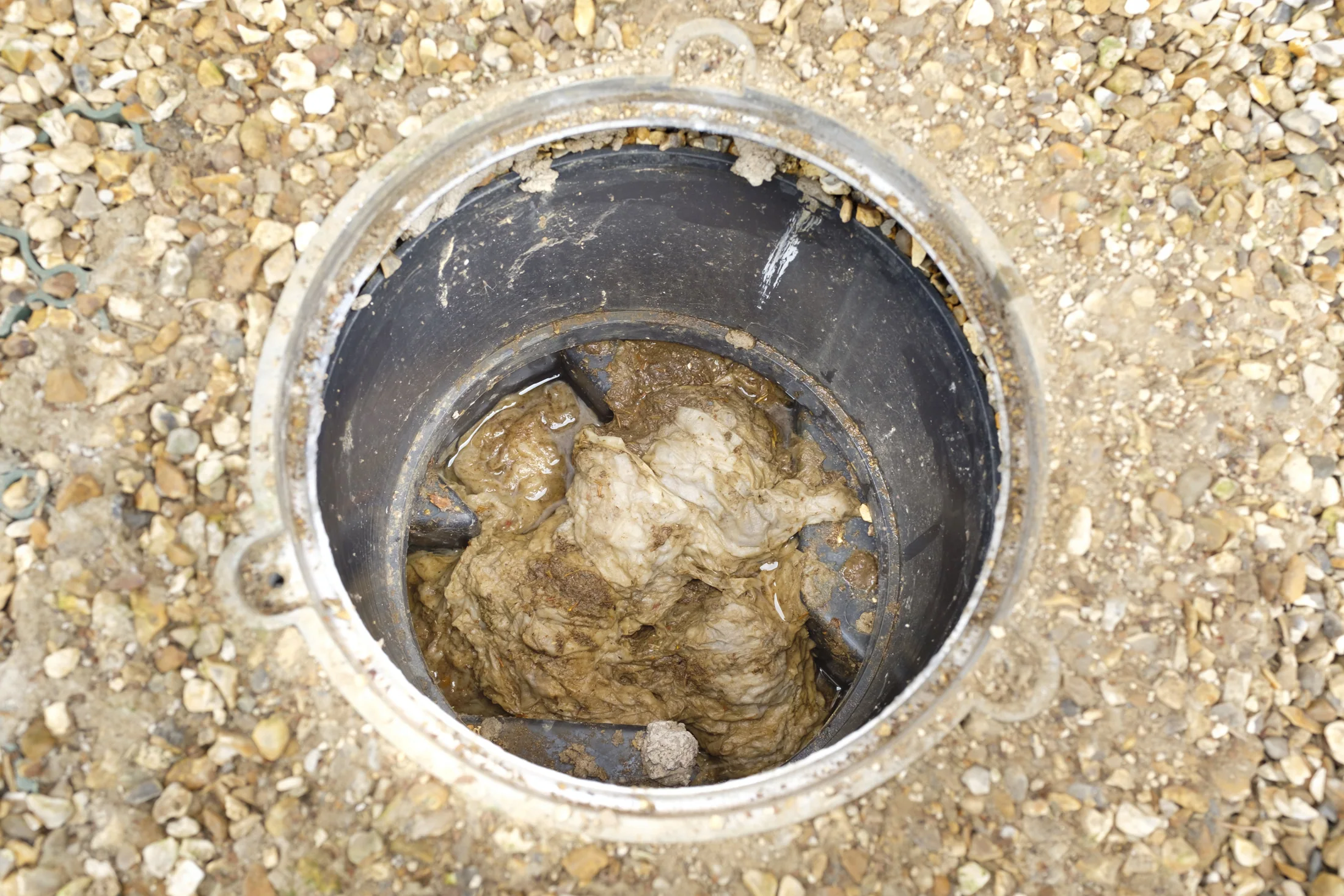
The inspection can show visible internal features such as joints, connections, changes in pipe material and deposits or defects within view. The result depends on access, pipe conditions and the distance the camera can travel. Standing water or deposits can obscure surfaces.

A useful record distinguishes observed findings from sections that were not adequately viewed. A camera cannot establish the condition of an inaccessible run or every feature outside the pipe wall. If preparation or further investigation is needed, the report should connect that recommendation to the specific limitation.

Keep condition, location and connectivity distinct

Internal condition footage does not automatically provide a complete drainage map. Mapping, levels and connectivity investigations can require additional work. Explain whether the decision needs a condition record, a plan, confirmation of a connection or a combination of these outputs.

Existing drainage drawings can help establish an initial scope, but their accuracy needs to be considered. A report is clearer when it identifies the surveyed access points and runs consistently, allowing the reader to connect each finding with the relevant part of the system.

Use reporting that supports the next decision

The agreed deliverables should identify the surveyed extent, relevant observations and any limitations. Where formal coding or a receiving-party specification is required, that requirement needs to be established when the survey is arranged. Avoid assuming that all survey packages contain the same outputs.

Condition findings, their significance and a proposed repair are separate steps. A visible defect can inform further assessment, but the appropriate response depends on its location, extent and the purpose of the investigation. Keep the evidence available so the next decision can be traced to the survey result.

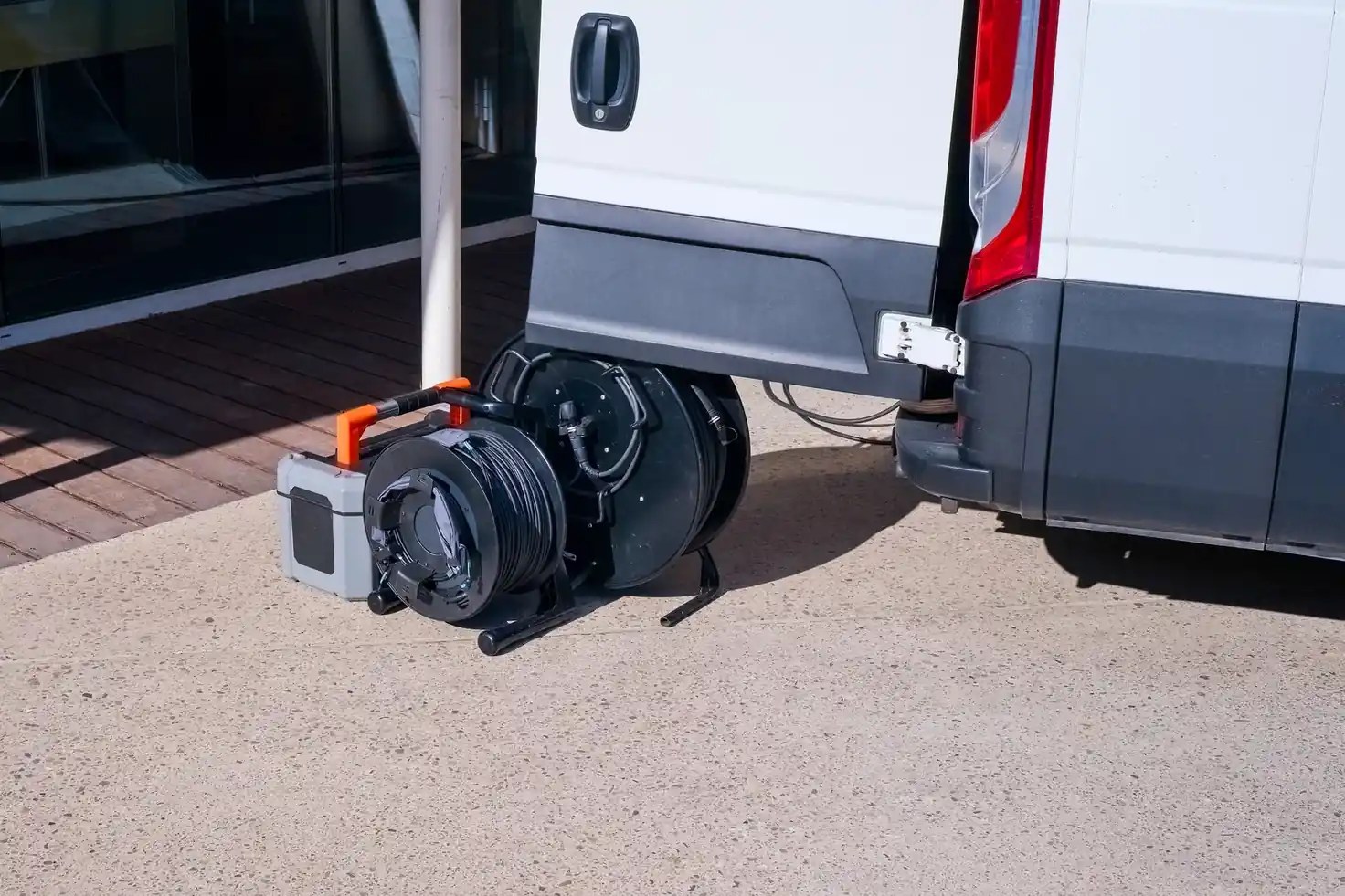
Drain survey camera and cable reel beside a service van.

Prepare the enquiry with access and background information

Include the property or site location, reason for the survey and available access details. Existing plans, earlier reports and a description of recurring symptoms can help define the work. State any application deadline or recipient requirements so they can be considered alongside the scope.

A homebuyer survey may concentrate on the accessible drainage serving a property, while a build-over investigation can require more precise information about the position and condition of drainage affected by proposed work. Mapping and connectivity investigations address different questions from internal condition recording. The agreed scope should reflect the particular decision and identify any information that remains unresolved.

Free online tool

Build Over Agreement Checker

Check what to ask your sewerage company before building near a drain or sewer.

Use the checker

Who we are and where we work

Drain CCTV is a UK-wide CCTV drain survey service. We take enquiries from across England, Scotland, Wales and Northern Ireland, not from a single town or region, and our office is in Blackburn, Lancashire. The business is registered in England and Wales under company number 10091071.

Our environmental consultants and technical spokesperson

Ian Bennett and Mark Lynch are environmental consultants who can speak on our behalf about our environmental services. Martyn is our technical spokesperson, with particular knowledge of tank cleaning, septic tanks and drainage.

Common questions

Frequently asked questions

Does a CCTV drain survey cover every pipe at a property?

Only the agreed and accessible extent can be inspected. The report should identify the runs surveyed and any restrictions, rather than imply that inaccessible drainage has been assessed.

Is a CCTV survey the same as drain mapping?

No. A camera survey records visible internal condition. Mapping identifies the layout and may require additional locating or measurement work. The required outputs should be specified together where both are needed.

Guides and information

Drain survey guides

All guides

Drain CCTV

Discuss your project with us

0333 533 0162

Request a quote

Complete the form and we will get back to you.

Latest articles

View all articles
Request a quote